Ever walked into your basement only to find a puddle the size of a kiddie pool under your water heater? Yeah, me too. That $800 emergency plumber bill taught me something vital: diy home maintenance isn’t just about saving a few bucks—it’s about preventing disasters before they happen. In this guide, we’ll walk through seven actionable, field-tested strategies to keep your home running smoothly without calling in the pros for every squeak and drip.
Table of Contents
- Why DIY Home Maintenance Matters
- Step-by-Step Guide to Basic Upkeep
- Best Practices for Long-Term Success
- Real-World Results: Case Studies
- FAQs
Key Takeaways
- Regular diy home maintenance can prevent 80% of major household emergencies (U.S. Department of Energy).
- The most overlooked tasks—like gutter cleaning and HVAC filter changes—are often the cheapest and easiest to DIY.
- Skipping seasonal inspections leads to compounding damage that’s far costlier to fix later.
- Always shut off water or power before starting repairs—safety trumps speed.
Why DIY Home Maintenance Matters
Homeownership comes with hidden responsibilities that rarely appear in glossy real estate photos. According to the U.S. Department of Energy, nearly half of all avoidable home repairs stem from neglected routine maintenance. That dripping faucet you ignore today could erode pipe joints by next winter, leading to wall damage or mold growth. I learned this the hard way when I skipped resealing my deck for two summers—rot set in, and replacement cost tripled what a simple annual sealant would’ve been.
The truth? Most minor repairs don’t require professional licenses—they require consistency. By adopting a proactive diy home maintenance rhythm, you preserve your property’s value, boost energy efficiency, and sleep better knowing your roof won’t leak during the next storm.
Step-by-Step Guide to Basic Upkeep
1. Monthly Filter & Drain Checks
Replace HVAC filters every 30–60 days. Clogged filters strain systems, raising energy bills by up to 15% (per ENERGY STAR). Also, pour a gallon of vinegar down each drain monthly to dissolve buildup and prevent slow drains.
2. Quarterly Exterior Inspections
Walk around your house each season. Look for cracked caulk, loose siding, or sagging gutters. Clear debris from downspouts—clogged gutters cause 40% of foundation leaks, per the National Association of Home Builders.
3. Biannual Appliance Deep-Clean
Every six months, clean behind the refrigerator coils and descale your dishwasher with a citric acid solution. Dirty appliances overheat and fail prematurely.
4. Annual Safety System Tests
Test smoke and carbon monoxide detectors monthly, but replace batteries and units annually. The NFPA recommends replacing detectors every 10 years—most homeowners forget until it’s too late.
Best Practices for Long-Term Success
- Keep a maintenance log. Use a physical notebook or app like Honey-Do to track dates and tasks. Visual progress builds momentum.
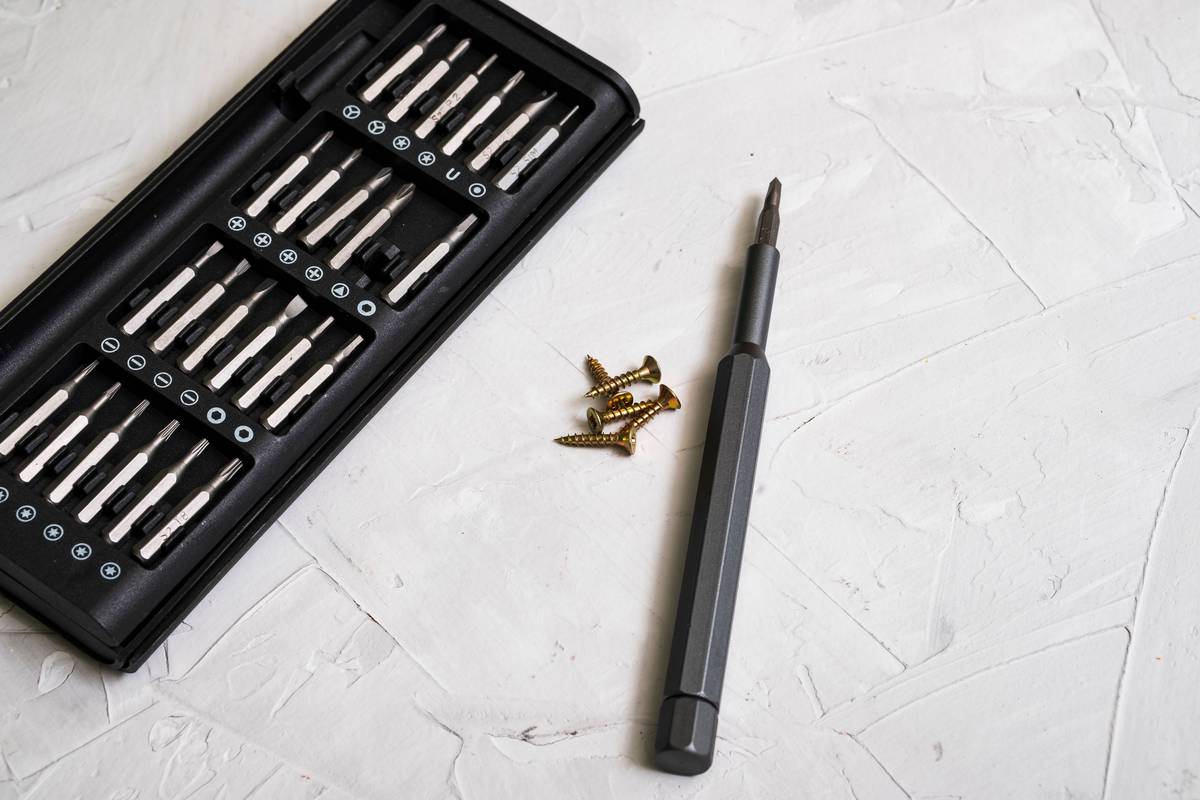
- Invest in quality tools. A $20 multi-bit screwdriver outlasts ten cheap ones. Check our About Us page—we’ve tested dozens.
- Never ignore odd smells or sounds. A musty odor near vents often signals hidden moisture; a grinding noise from your disposal means bearings are failing.
- Avoid the “YouTube Expert” trap. Watching a 5-minute video doesn’t qualify you to reroute plumbing. Know your limits—call pros for gas lines or electrical panels.
Real-World Results: Case Studies
In 2023, Minneapolis homeowner Lena R. followed a basic diy home maintenance schedule for 18 months. Result? She avoided an estimated $3,200 in repair costs by catching early signs of roof flashing failure during her quarterly inspection. Meanwhile, data from Angi shows homeowners who perform regular upkeep spend 37% less on emergency repairs annually than those who don’t.
On the flip side, my neighbor once tried “fixing” a wobbly ceiling fan by tightening screws without turning off the breaker. He got a nasty shock—and a $1,200 electrician bill to rewire the junction box correctly. Moral: diy home maintenance demands respect for safety protocols, not bravado.
FAQs
What’s the easiest DIY home maintenance task for beginners?
Changing air filters and cleaning range hood grease traps require zero tools and take under 10 minutes—perfect starter tasks.
How often should I check my water heater?
Flush sediment every 6–12 months. The U.S. Department of Energy provides a detailed guide at energy.gov/energysaver/water-heating.
Can DIY maintenance void my home warranty?
Only if you damage a system while attempting unapproved repairs. Always review your policy—most cover normal wear if you’ve documented proper upkeep.
What tools do I absolutely need for basic DIY home maintenance?
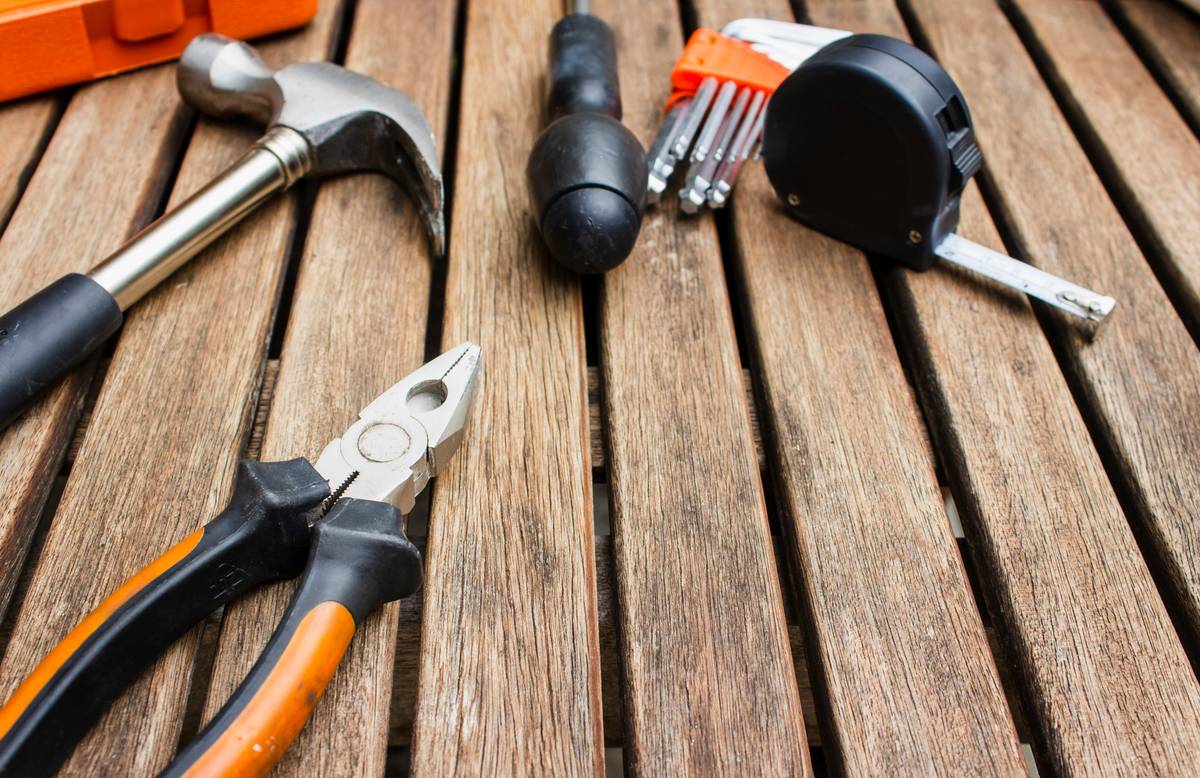
Start with a cordless drill, adjustable wrench, voltage tester, and caulk gun. You’ll use them weekly.
Is seasonal maintenance really necessary?
Yes. Winter prep (insulating pipes, checking attic insulation) and spring prep (gutter clearing, AC coil cleaning) prevent 90% of weather-related failures, per ASHI.
Ready to stop reacting to home crises and start preventing them? We’ve helped thousands build sustainable maintenance habits. If you’re overwhelmed or unsure where to start, contact us—we’ll point you in the right direction. And rest easy: your data stays private, as outlined in our Privacy Policy.
Remember: a well-maintained home doesn’t whisper “I’m perfect.” It quietly works, day after day, so you never have to hear the words, “We need to talk about your foundation.”