Ever sliced your finger replacing a leaky faucet or inhaled toxic fumes while stripping old paint? You’re not alone. DIY home repairs save money—but skip safety gear, and you risk far costlier consequences. According to the U.S. Consumer Product Safety Commission, over 400,000 home improvement-related injuries land people in emergency rooms yearly. That’s why “diy home maintenance tips protective” isn’t just a keyword—it’s your first line of defense. In this guide, we’ll walk you through proven strategies to stay safe while tackling common household fixes, all backed by real experience and expert standards.
Table of Contents
- Why Protective Gear Matters in DIY Home Maintenance
- Step-by-Step Safety Setup for Common Repairs
- Best Practices for Staying Safe During DIY Projects
- Real-World Results: When Safety Pays Off
- Frequently Asked Questions
Key Takeaways
- Always wear eye protection—even for “quick” tasks like hammering nails.
- Respirators are non-negotiable when sanding lead paint or working with insulation.
- Gloves aren’t one-size-fits-all—choose cut-resistant for metalwork, chemical-resistant for cleaners.
- Neglecting ear protection during prolonged power tool use can cause permanent hearing loss.
- Your “diy home maintenance tips protective” routine should start before you pick up a tool.
Why Protective Gear Matters in DIY Home Maintenance
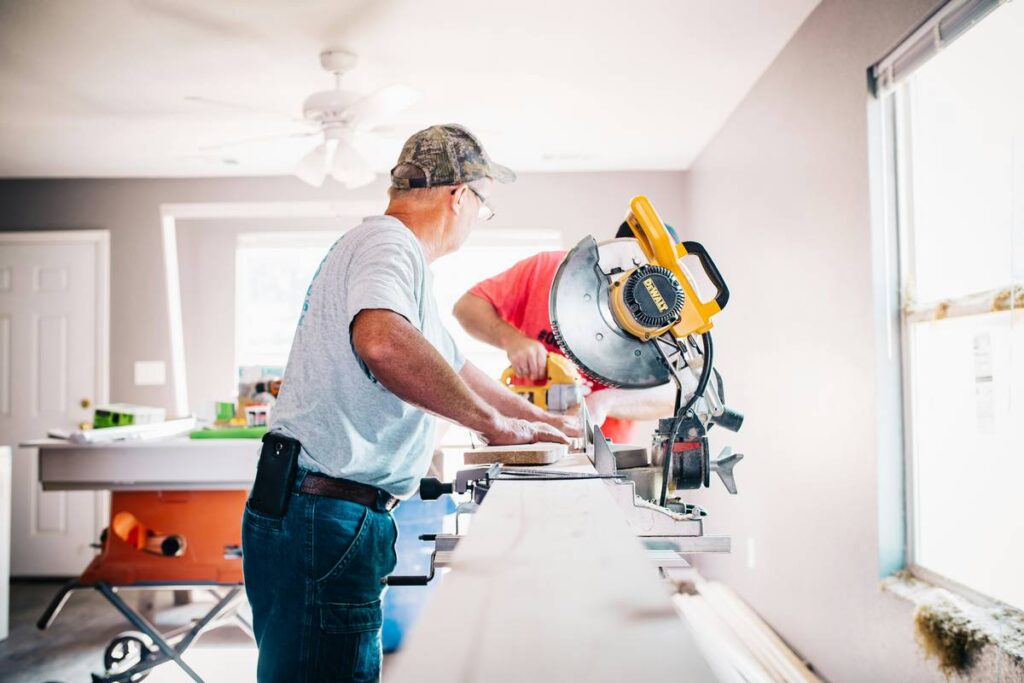
I learned this the hard way. Last winter, I decided to unclog my gutters without gloves—just 10 minutes, right? Wrong. A rusty nail snagged my palm, leading to a tetanus booster and two days of throbbing pain. That moment crystallized a truth every seasoned DIYer knows: protective gear isn’t optional flair; it’s functional armor. The phrase “diy home maintenance tips protective” exists because countless homeowners underestimate hazards hiding in plain sight—silica dust from tile cutting, flying debris from saws, or electrical risks behind outlet covers.
Step-by-Step Safety Setup for Common Repairs
Assess the Hazard First
Before touching a tool, ask: What can go wrong? Dust? Cuts? Electricity? Noise? Match each risk to gear. For example, plumbing work often involves sharp pipe edges and chemical sealants—so nitrile gloves and safety glasses are essential.
Gather Your PPE Kit
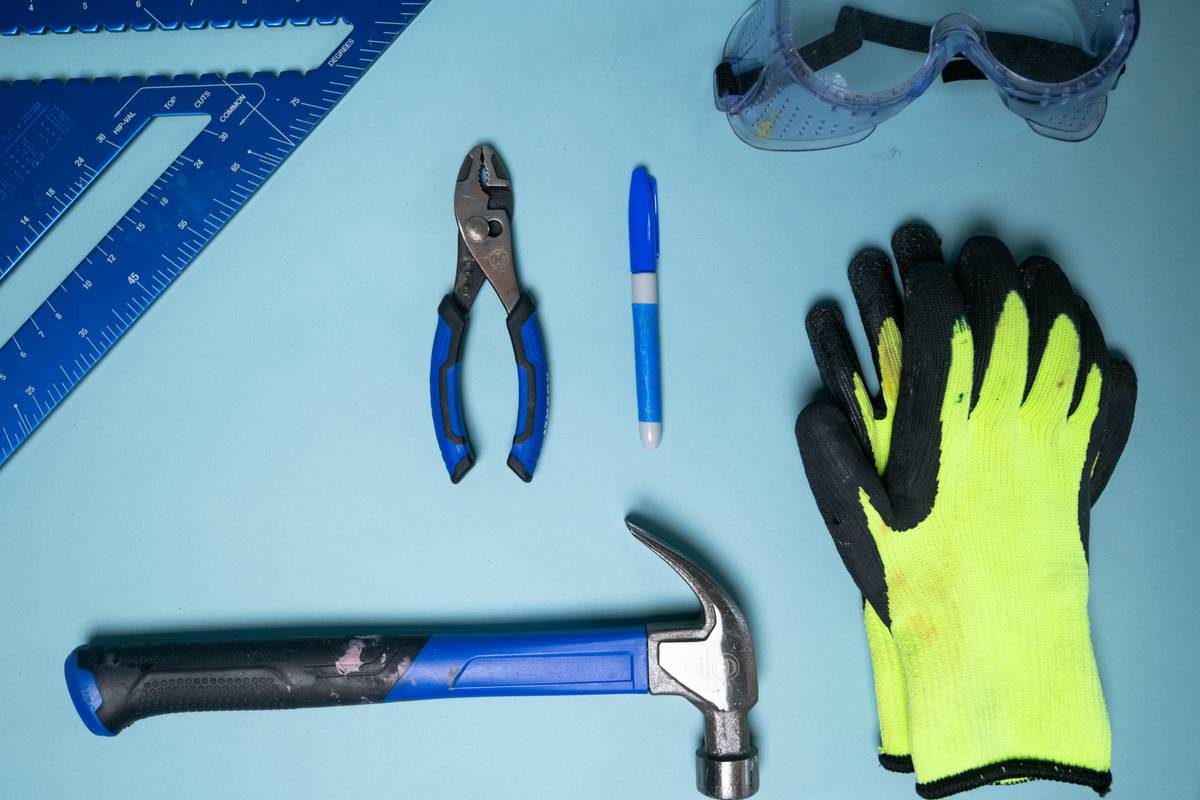
Create a dedicated “safety bucket” with:
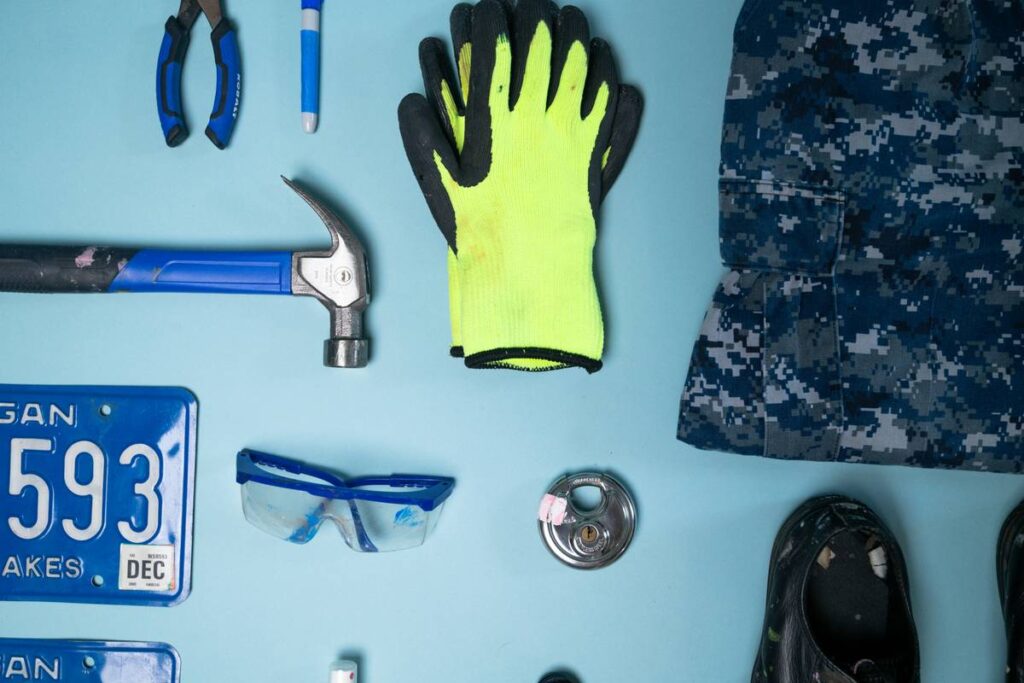
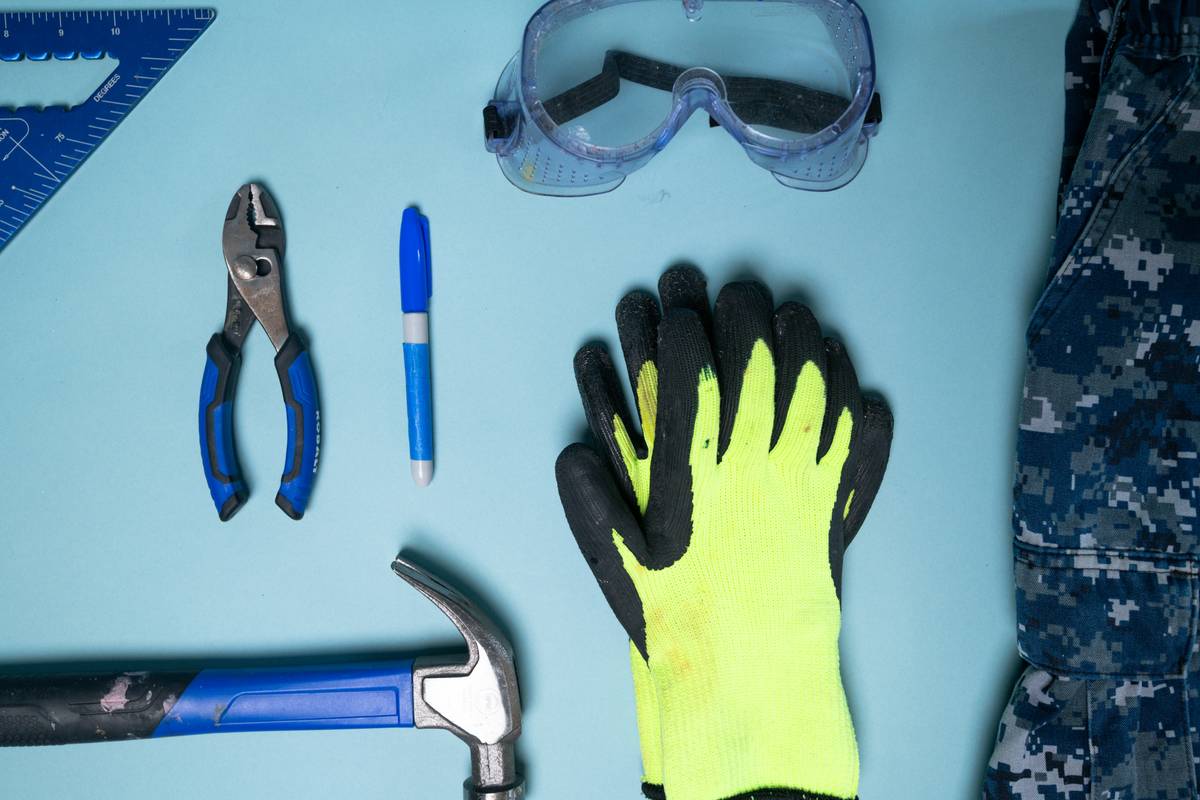
- ANSI Z87.1-rated safety goggles
- N95 or P100 respirator (for mold, insulation, or old paint)
- Cut-resistant gloves (ANSI Level A3 or higher)
- Hearing protection (earmuffs or plugs rated above NRR 25 dB)
Inspect Before You Start
Check gear for cracks, tears, or expired filters. A compromised respirator offers zero protection against asbestos fibers, which may lurk in homes built before 1980 (EPA guidelines).
Best Practices for Staying Safe During DIY Projects
- Never skip ventilation. Even “low-VOC” paints emit fumes. Open windows and use fans.
- Label everything. Misidentifying chemicals led to one of my worst garage spills—now I tape names on every reused container.
- Store gear properly. Keep goggles in a hard case to prevent scratched lenses that impair vision.
- Hydrate and take breaks. Heat stress worsens judgment—a major factor in accidents.
And here’s a terrible tip I’ve heard too often: “Just hold your breath while sanding.” Don’t. One deep inhale of wood dust can trigger asthma or long-term lung damage. Always wear proper respiratory protection—no shortcuts.
Real-World Results: When Safety Pays Off
Last spring, a neighbor tackled basement mold removal using only a dust mask. Within days, he developed severe bronchitis. Contrast that with my own approach: full P100 respirator, disposable coveralls, and sealed-off work zone. Zero symptoms—and the job passed inspection. Data backs this up: OSHA estimates that consistent PPE use reduces construction-related injuries by up to 80%. That stat applies equally to weekend warriors. Investing $50 in quality gear could prevent a $5,000 ER bill. At Minsallation, our team treats every repair like a pro job—because your safety is never DIY-level.
Frequently Asked Questions
What’s the most overlooked piece of protective gear for home DIY?
Safety glasses. Many assume regular eyeglasses suffice—but they lack side shields and impact resistance. ANSI-approved goggles are essential for drilling, hammering, or anything that creates airborne particles.
Do I need a respirator for simple painting projects?
Only if you’re using oil-based paints, spray paints, or working in poorly ventilated areas. For water-based paints in open spaces, an N95 may be enough—but when in doubt, upgrade your protection.
Can I reuse disposable gloves?
No. Nitrile or latex gloves degrade after single use, especially with solvents or adhesives. Reusing them risks chemical exposure and micro-tears you can’t see.
Where can I learn more about home safety standards?
The CDC’s National Institute for Occupational Safety and Health (NIOSH) offers free, practical guides for homeowners at cdc.gov/niosh/topics/home.
How do I know if my home has hazardous materials?
If your house was built before 1978, assume lead paint is present. For asbestos, common in insulation and flooring pre-1980, hire a certified tester—never disturb it yourself.
Does Minsallation follow these safety protocols?
Absolutely. Our technicians adhere to OSHA-compliant safety procedures on every job. Learn more about our commitment on our About Us page or reach out via our Contact Us form. And rest assured—your data stays secure per our Privacy Policy.
So next time you reach for that wrench, remember: the smartest tool in your kit isn’t the fanciest—it’s the one that keeps you breathing, seeing, and intact. Got a tricky repair and want expert backup? Contact us today—we’ve got your back (and your eyes, lungs, and fingers).
Goggles on, gloves tight,
Measure twice, cut safe tonight.