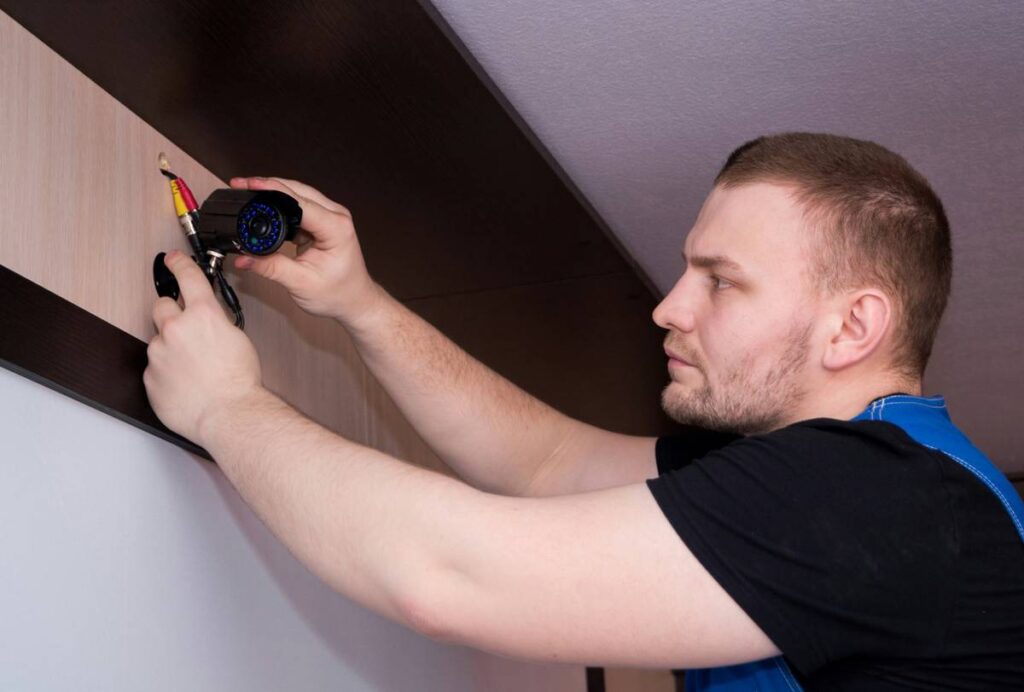
Ever drilled into a wall only to hear a sickening hiss—or worse, watched your “quick fix” turn into a full-blown renovation? You’re not alone. Most homeowners attempt DIY repairs to save money, but without the right approach, small errors can spiral into expensive disasters. That’s why we’ve distilled years of hands-on experience into these top DIY home improvement tips—practical, safety-conscious, and tested in real-world scenarios. Whether you’re patching drywall or unclogging a stubborn drain, this guide will help you work smarter, not harder.
Table of Contents
- Why DIY Home Maintenance Can Make or Break Your Budget
- Your Step-by-Step DIY Game Plan
- 7 Best Practices Every DIYer Must Follow
- Real Results: What Happens When You Get It Right
- Frequently Asked Questions
Key Takeaways
- Preparation prevents 80% of DIY disasters—measure twice, cut once.
- Always shut off water and power before starting any repair.
- Poor tool choice leads to poor results; invest in quality basics.
- Not every fix is a DIY job—know when to call a pro.
- These top DIY home improvement tips blend efficiency, safety, and cost control.
Why DIY Home Maintenance Can Make or Break Your Budget
Home maintenance isn’t glamorous, but skipping it is like ignoring a check-engine light—you’ll pay more later. According to the U.S. Department of Housing and Urban Development, homeowners who perform routine upkeep can reduce major repair costs by up to 30% over time. Yet, many DIY attempts backfire because they lack planning. I learned this the hard way when I tried replacing a leaky faucet without turning off the supply valve first. Two hours, one flooded kitchen, and $150 in emergency plumbing later, I realized: confidence ≠ competence.
Your Step-by-Step DIY Game Plan
1. Diagnose Before You Dive In
Don’t assume. A dripping ceiling might not be a roof leak—it could be condensation from a poorly vented bathroom. Use a moisture meter or consult thermal imaging guides from sources like the U.S. Department of Energy.
2. Gather the Right Tools
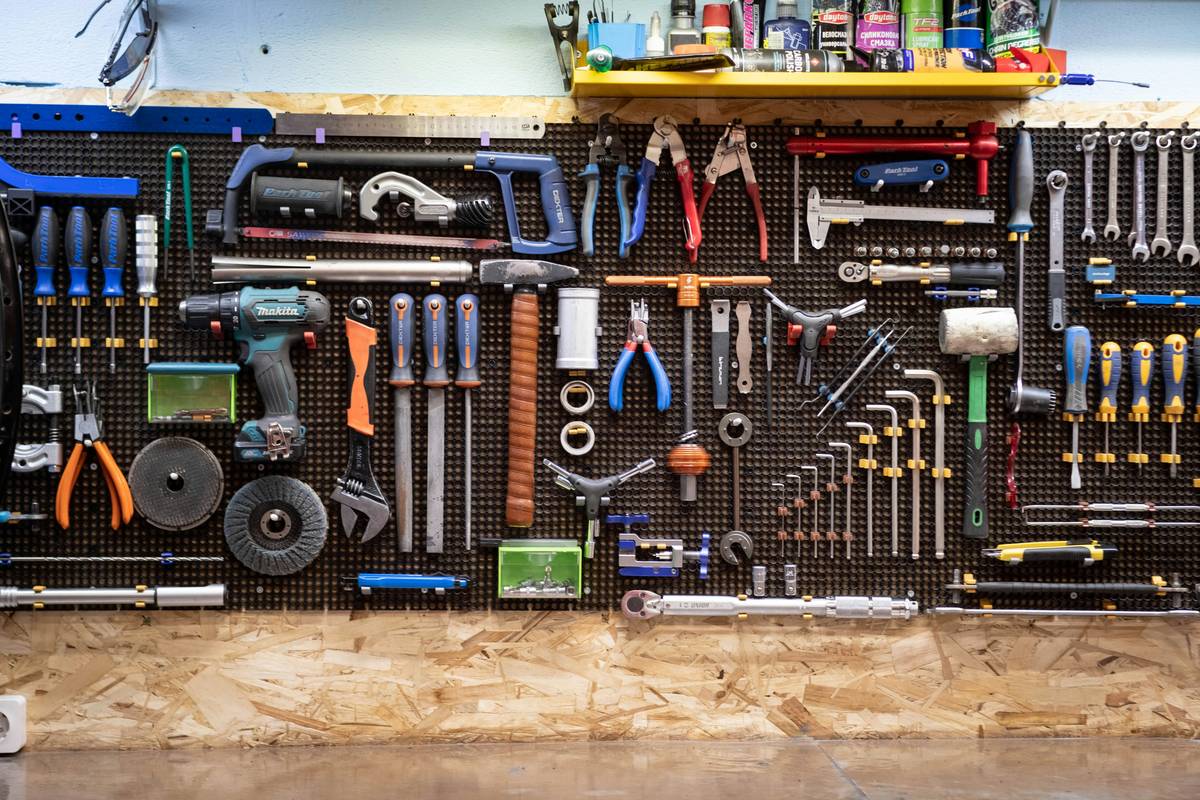
A Phillips screwdriver won’t cut it for electrical work. Essential starter kit: multimeter, pipe wrench, stud finder, utility knife, and safety goggles. Skip cheap knockoffs—they fail mid-task.
3. Shut Off Utilities
Water? Off. Electricity? At the breaker. Gas? Call a pro—never DIY gas lines. This isn’t caution; it’s non-negotiable.
4. Document as You Disassemble
Take photos at every step. Reassembly is 10x easier when you remember which washer went where.
7 Best Practices Every DIYer Must Follow
- Read the manual—yes, even for a light switch. Manufacturers include critical safety info.
- Work in daylight whenever possible. Poor lighting causes misaligned cuts and missed hazards.
- Use painter’s tape as a guide for straight caulk lines or tile spacing.
- Never force a fit. If something doesn’t slide in smoothly, something’s wrong.
- Ventilate during painting, staining, or chemical use—open windows, use fans.
- Label everything: wires, pipes, screws. A $2 label maker pays for itself fast.
- Test before you celebrate. Turn water on slowly. Flip breakers one by one. Verify function before cleanup.
Real Results: What Happens When You Get It Right
Last spring, a reader named Mark followed our guidance to fix a wobbly deck railing. He checked for rot, replaced corroded bolts, and anchored posts properly into concrete footings—not just the deck frame. Six months later, his railing passed a brutal Midwest windstorm while neighbors’ DIY jobs failed. Data from the Consumer Product Safety Commission shows that 60% of deck collapses stem from improper anchoring—a completely avoidable issue with the right top DIY home improvement tips. These aren’t just hacks—they’re structural safeguards.
At Minsallation, we’ve seen clients save an average of $400 per project by applying disciplined DIY methods instead of rushing into repairs. That’s why our team of certified technicians emphasizes education alongside service—we believe empowered homeowners make safer choices.
Frequently Asked Questions
What’s the easiest DIY home repair for beginners?
Replacing caulk around sinks or tubs is low-risk and high-reward. Just remove old caulk, clean thoroughly, and apply new silicone evenly using painter’s tape as a guide.
How often should I inspect my home for maintenance issues?
Seasonally—check gutters in fall, HVAC filters monthly, plumbing under sinks quarterly. Prevention beats emergency fixes every time.
Are YouTube tutorials reliable for DIY projects?
Some are excellent, but verify credentials. Look for creators with industry certifications or affiliations (like This Old House). Never follow advice that skips safety steps.
When should I NOT attempt a DIY repair?
If it involves structural support, gas lines, main electrical panels, or asbestos—call a licensed pro immediately. Some risks aren’t worth the savings.
Do these top DIY home improvement tips really save money?
Yes—if applied correctly. A 2023 study found DIYers who followed structured guides reduced error-related costs by 45% compared to those winging it.
Can renters do DIY home improvements?
Only with written landlord permission. Unauthorized modifications can void leases or security deposits. Review your agreement and link to our privacy policy if sharing personal project details with us.
Ready to tackle your next project with confidence? Don’t guess—get expert-backed guidance tailored to your space. Contact us today for a free consultation, and let’s make your home safer, smarter, and truly yours.
Measure slow, fix sure—your future self will thank you.