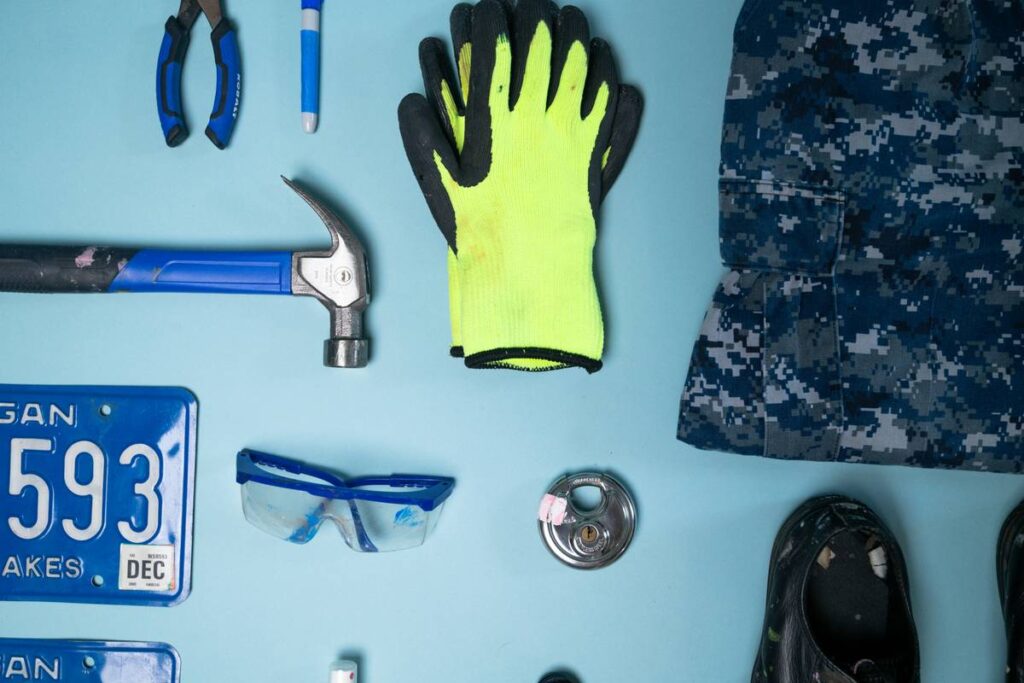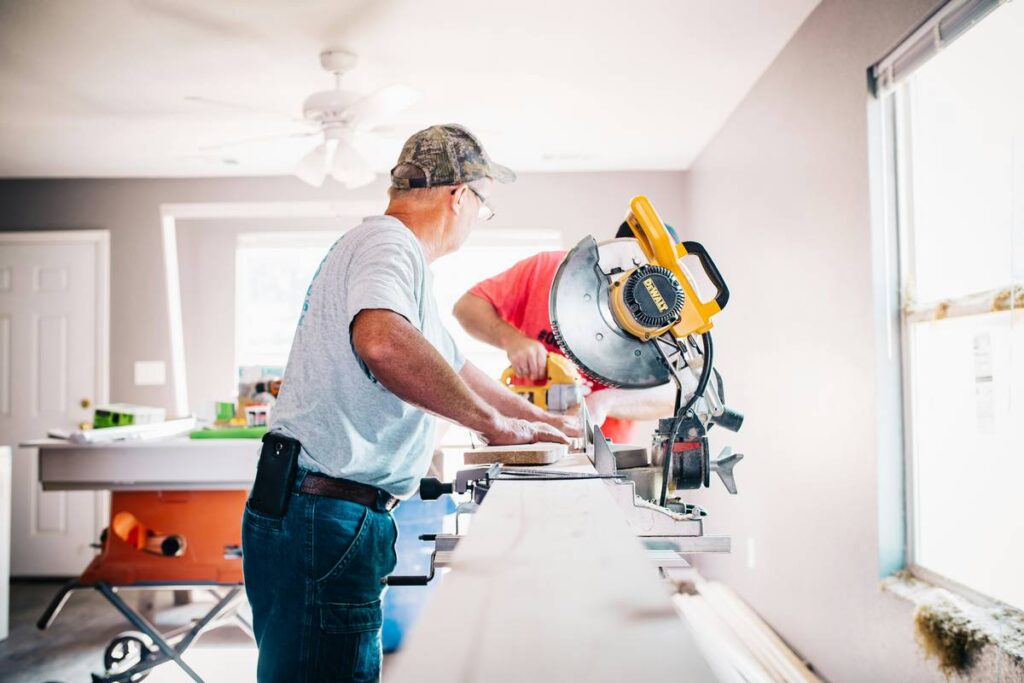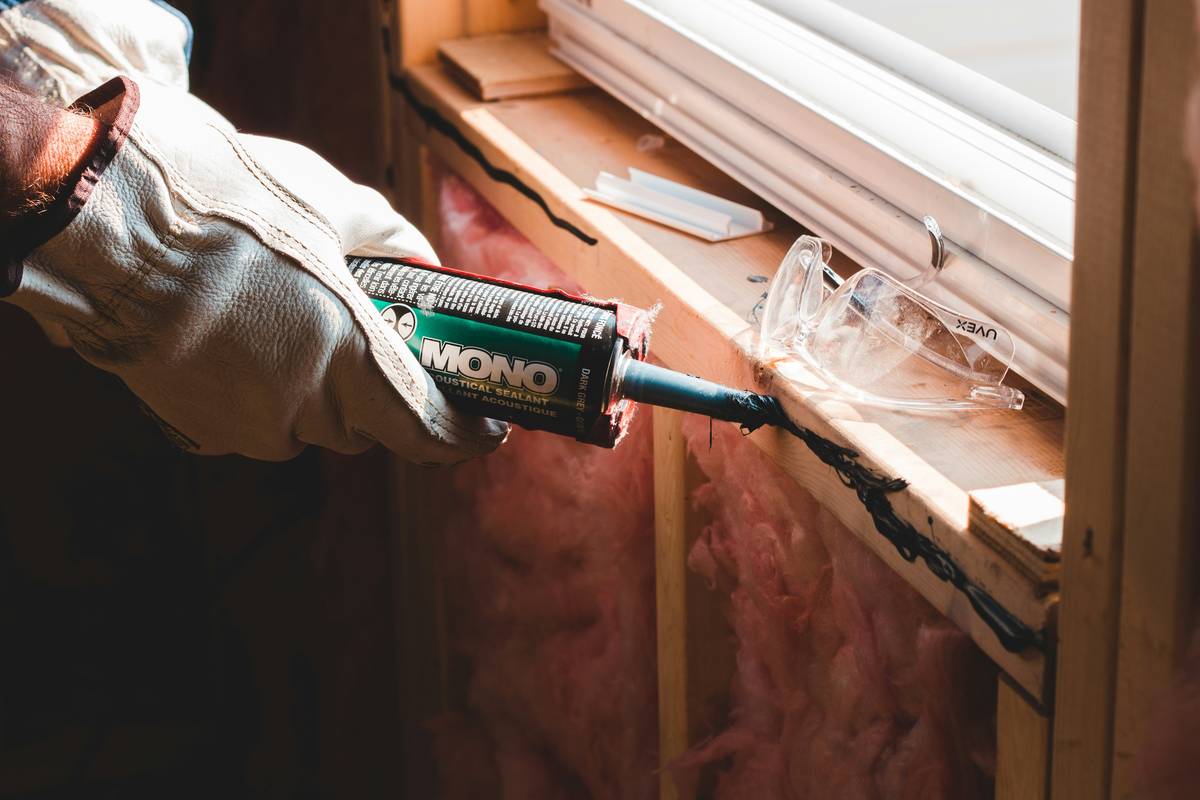
Ever drilled through a stud only to get a face full of drywall dust—or worse, nicked a live wire because you skipped gloves? You’re not alone. Every year, over 300,000 home improvement injuries are treated in U.S. emergency rooms, many involving basic DIYers who underestimated the need for proper personal protective equipment (PPE). At Minsallation, we’ve seen it all—especially after my own rookie mistake (more on that below). This guide delivers actionable, safety-first diy home maintenance tips ppe strategies that blend practicality with real-world experience, so you finish your project intact—and insured.
Table of Contents
- Why PPE Matters in DIY Home Maintenance
- Step-by-Step Guide to Choosing & Using PPE
- Top Safety Practices Beyond Gear
- Real Projects, Real Protection: Case Studies
- Frequently Asked Questions
Key Takeaways
- Never skip eye protection—even during “quick” tasks like sawing or sanding.
- Respirators matter more than you think; N95 masks won’t cut it for paint fumes or insulation.
- Gloves should match the task: cut-resistant for metalwork, chemical-resistant for solvents.
- Your first line of defense is knowledge—know what hazards your project introduces.
- Inspect PPE before each use; cracked goggles or frayed gloves are liabilities.
Why PPE Matters in DIY Home Maintenance
Home DIY projects lull us into a false sense of security. “It’s just hanging a shelf,” we say—until the drill slips and sends a screw flying toward your eye. The truth? Hazards hide everywhere: silica dust from cutting concrete, volatile organic compounds (VOCs) from paints, sharp edges on ductwork, even carbon monoxide when working near gas appliances.
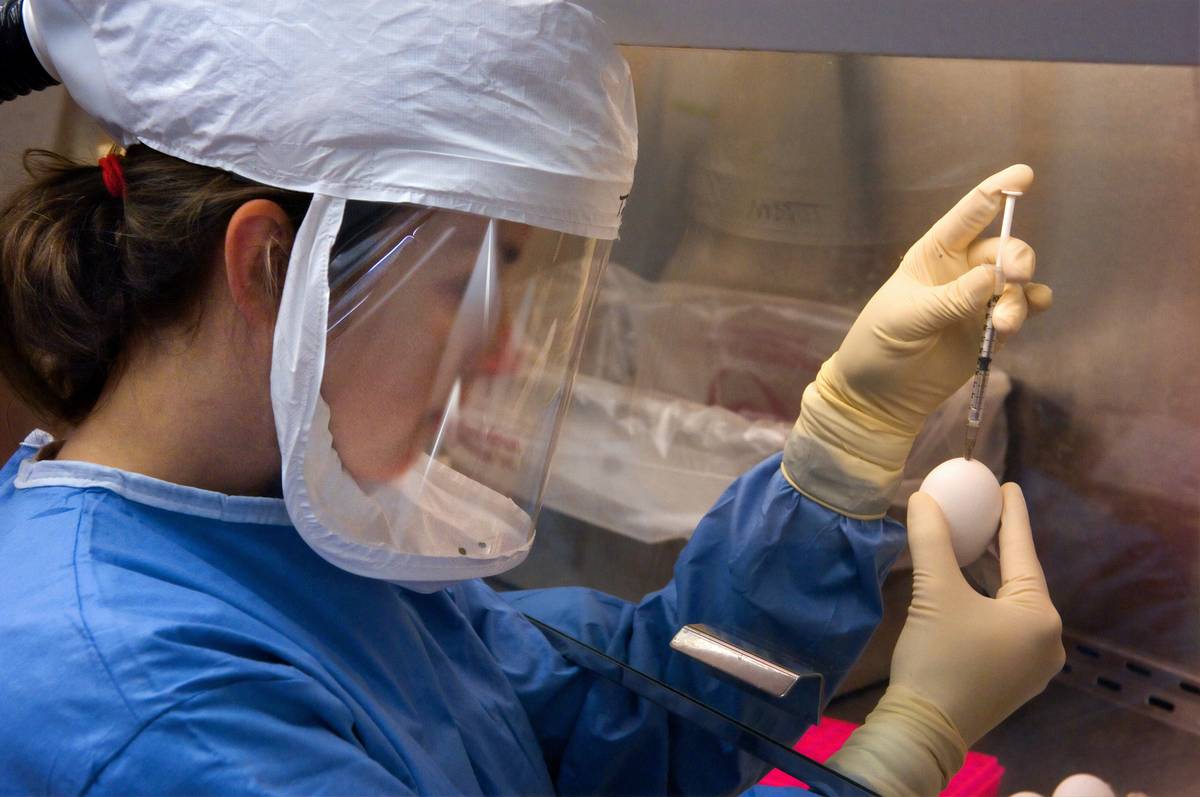
I learned this the hard way while refinishing a basement bathroom. Confident in my skills but lazy about gear, I sanded old plaster without a respirator. Two hours later, I was coughing uncontrollably and spent the night with chest tightness. That incident reshaped how I approach every job—even now, as I write for Minsallation’s team, where safety is non-negotiable.
Step-by-Step Guide to Choosing & Using PPE
Identify Your Hazards First
Before buying gear, assess your project. Sanding = particulates → respirator + goggles. Plumbing = chemicals/bacteria → gloves + eye shield. Electrical work = arc flash risk → insulated tools + face shield (if voltage exceeds 50V).
Match PPE to Task Requirements
Not all gloves are equal. Use ANSI-rated cut-resistant gloves (Level A4+) for handling metal studs. For solvent cleanup, opt for nitrile over latex—they resist acetone and mineral spirits better, per OSHA guidelines.
Fit and Comfort Are Non-Negotiable
If your respirator leaks around the nose or your safety glasses fog instantly, you’ll ditch them mid-job. Try gear on before major projects. Pro tip: anti-fog sprays exist—and they work.
Top Safety Practices Beyond Gear
- Ventilate relentlessly. Open windows + use box fans to pull fumes outward—not recirculate them.
- Store PPE properly. Keep respirator cartridges sealed; hang gloves to dry, never ball them up wet.
- Replace worn gear immediately. Scratched lenses distort vision; stretched elastic in ear loops reduces seal integrity.
- Never skip the checklist. Create a 30-second pre-work ritual: “Glasses? Gloves? Mask? Ventilation?”
And here’s a terrible tip to avoid: “Just hold your breath while spraying primer.” Seriously—don’t. VOC exposure accumulates silently.
Real Projects, Real Protection: Case Studies
Last spring, a Minneapolis homeowner replaced attic insulation without PPE. Result? Severe skin irritation and respiratory distress from fiberglass exposure—treated at urgent care, costing $1,200 out-of-pocket. Contrast that with a Denver DIYer who wore Tyvek coveralls, P100 respirator, and goggles during the same task: finished in 4 hours, zero health issues.
Data backs this up. According to the CDC’s National Institute for Occupational Safety and Health, consistent PPE use reduces home injury risk by up to 68%. That’s not marketing fluff—it’s physics and biology protecting flesh and bone.
Frequently Asked Questions
What’s the minimum PPE for basic diy home maintenance tips ppe?
Safety glasses and cut-resistant gloves cover 90% of light-duty tasks (hanging art, assembling furniture). Add an N95 respirator if generating dust or fumes.
Can I reuse disposable respirators?
Yes—but only if undamaged, clean, and stored in a sealed bag. Discard after 8 hours of cumulative use or if breathing resistance increases noticeably.
Are cheap safety glasses from hardware stores sufficient?
Only if marked “ANSI Z87.1.” Counterfeit gear often lacks impact resistance. When in doubt, spend $10 more for certified protection.
Do I need hearing protection for power tools?
If noise exceeds 85 decibels (most drills, saws, and sanders do), yes. Use foam plugs (NRR 33dB) or earmuffs for sessions over 15 minutes.
Where can I learn more about PPE standards?
Review OSHA’s free PPE guidelines—they’re written for pros but apply equally to DIYers.
Conclusion
Smart DIY isn’t just about finishing fast—it’s about finishing safely. By embedding these diy home maintenance tips ppe into your routine, you protect not just your project timeline but your long-term health. Missed something? Got a scary story to share? Reach out via our Contact Us page—we read every message. And remember: gear up like your life depends on it… because sometimes, it does.
Helmet on, heart steady—you’ve got this.